Why Home Care Is Driving Growth in Healthcare Consumables

Hospital walls are no longer the boundaries of healthcare. From elderly care and chronic disease management to post-operative recovery, an increasing amount of care is now being delivered at home. As this trend accelerates, healthcare consumables are playing a growing role in supporting patients, caregivers, and healthcare providers beyond traditional medical settings.
For years, healthcare consumables were largely associated with hospitals, nursing facilities, and clinical environments. Purchasing decisions were often driven by institutional requirements, with performance and cost taking priority over user experience.Today, that equation is changing. As more care moves into the home, products are increasingly being selected not only by healthcare professionals, but also by family caregivers and end users themselves. Comfort, convenience, and ease of use have become purchasing factors alongside clinical performance.
This shift is closely linked to broader demographic and economic pressures. Aging populations are increasing the number of individuals who require long-term care, while healthcare systems in many regions are facing staff shortages and rising operational costs. In response, home care has become a practical and often preferred alternative to extended hospital stays or institutional care. At the same time, many patients express a strong preference to remain in familiar environments, where emotional comfort and independence can be better preserved.
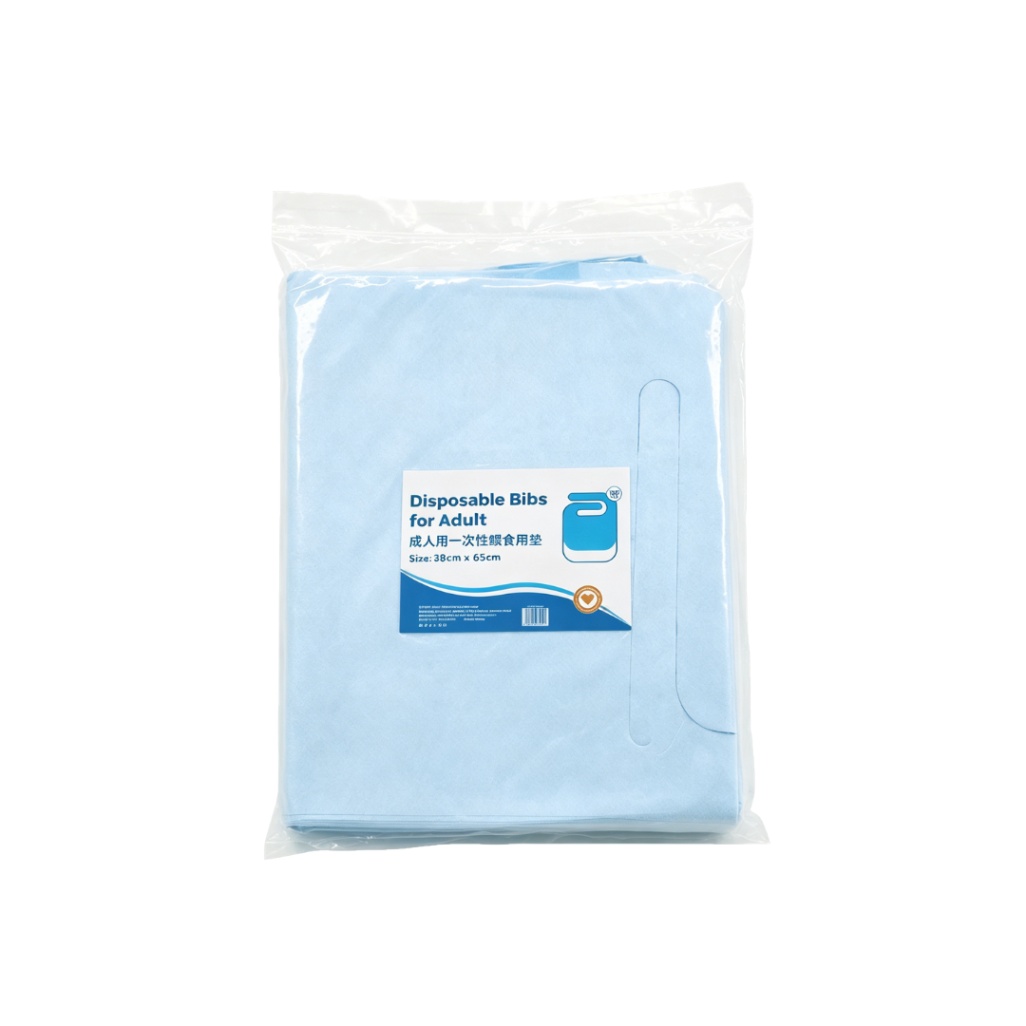
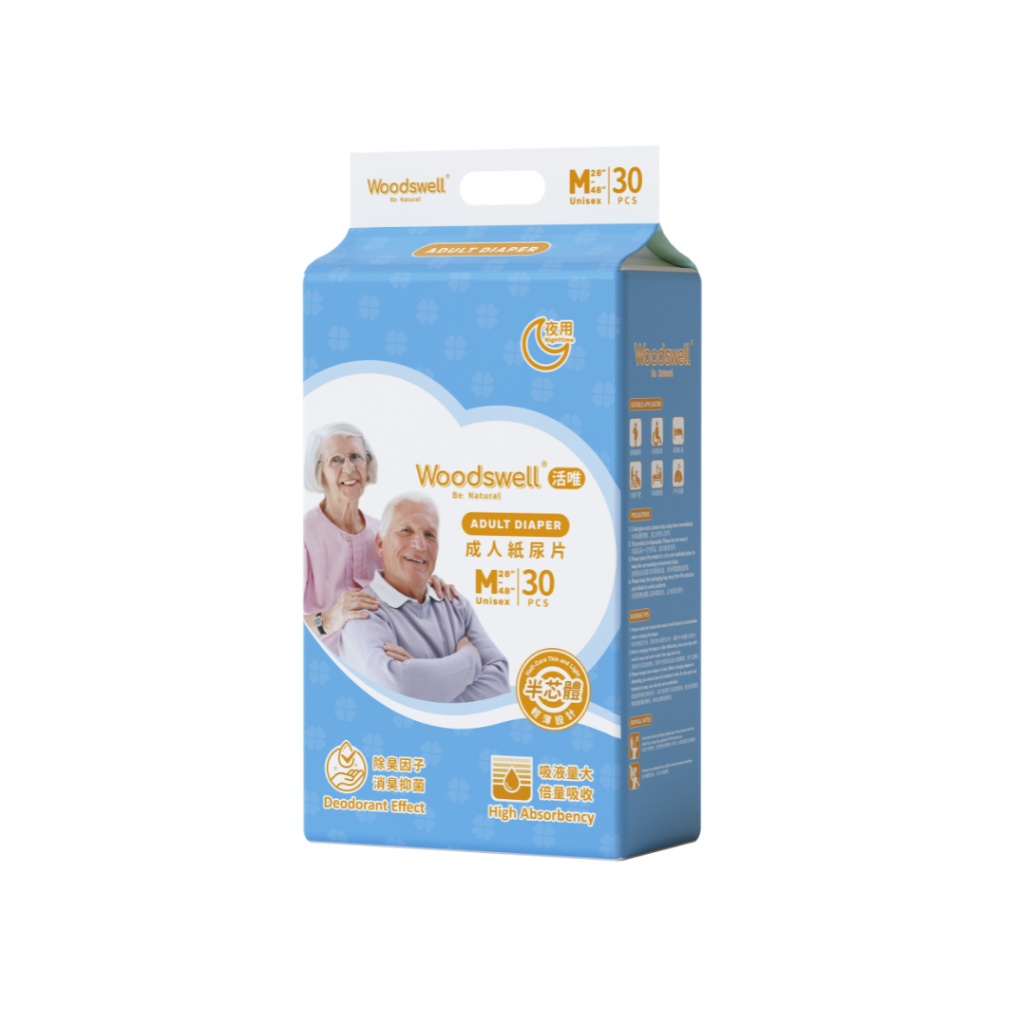
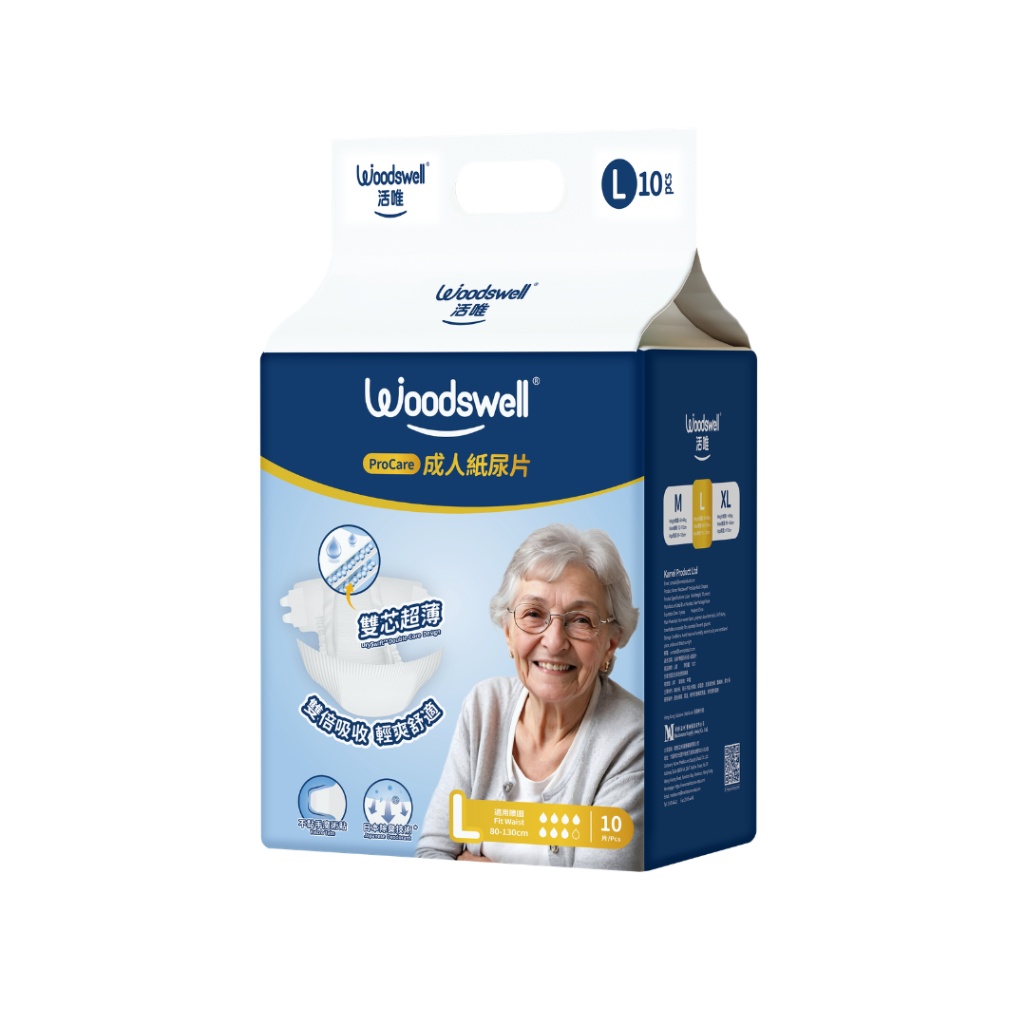
As care moves into the home, the role of healthcare consumables is expanding in a very tangible way. Products such as adult incontinence items, disposable underpads, wet wipes, gloves, and wound dressings are no longer confined to clinical routines. Instead, they are becoming part of everyday caregiving in private households. Unlike equipment that is purchased once and used long-term, these consumables are repeatedly used and replaced, making them a consistent and growing category within healthcare spending.
This transition has also reshaped expectations around product design and functionality. In institutional settings, trained staff manage most procedures, and product usage is standardized. In home environments, however, the reality is very different. Care is often provided by family members with limited medical training, which places greater emphasis on simplicity and intuitive use. Products that are easier to change, more comfortable for the user, and more forgiving in non-clinical settings are increasingly preferred.
At the same time, the definition of “quality” in healthcare consumables is evolving. Absorbency and protection remain essential, but they are no longer the only considerations. Skin health, odor control, breathability, and discretion have become equally important, particularly for products used over long periods. In many cases, the difference between products is no longer visible in specifications alone, but in how they perform in daily life for both caregivers and patients.
Manufacturers have responded by accelerating innovation in material science and product structure. Thinner yet more absorbent cores, softer surface layers, and improved leakage protection systems are becoming standard across many categories. These developments reflect a broader industry shift from purely functional design toward experience-driven care products, where dignity and comfort are treated as core performance indicators.
Another important driver behind this growth is the increasing role of family caregivers. As more healthcare responsibility shifts from institutions to households, purchasing decisions are often made by individuals rather than procurement departments. This has created a new type of buyer profile—one that values clarity, trust, and ease of selection over technical specifications. In this context, education and product transparency have become just as important as the products themselves.
Looking ahead, the expansion of home-based care is expected to continue reshaping the healthcare consumables market. The convergence of demographic change, economic pressure, and evolving patient expectations suggests that demand will remain strong across key categories. More importantly, the boundaries between clinical care and daily living will continue to blur, placing healthcare consumables at the center of this transformation rather than at its periphery.
The growth of home care is often discussed as a healthcare trend. In reality, it reflects a broader shift in how society approaches aging, recovery, and long-term support. As care becomes more decentralized, healthcare consumables will play an increasingly visible role—not simply as supporting products, but as essential tools that enable quality care beyond the walls of traditional healthcare facilities.