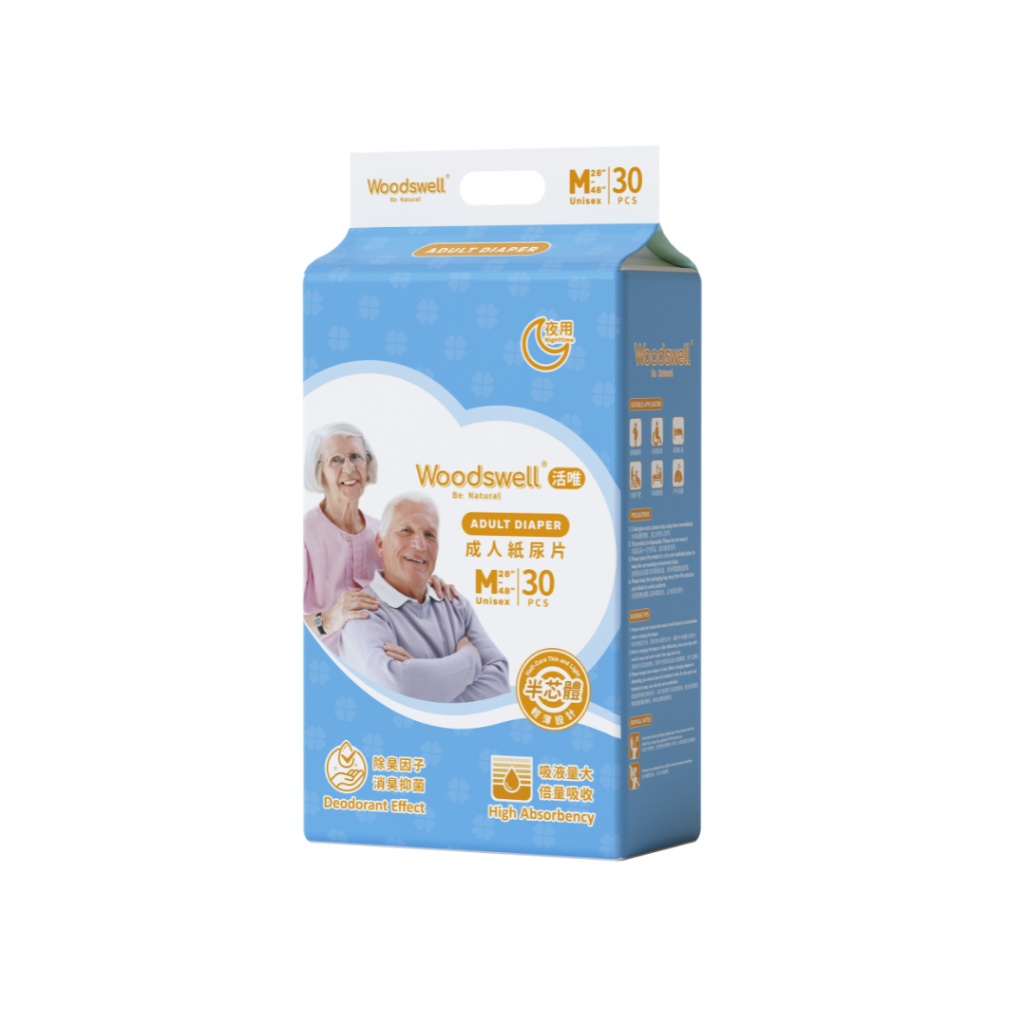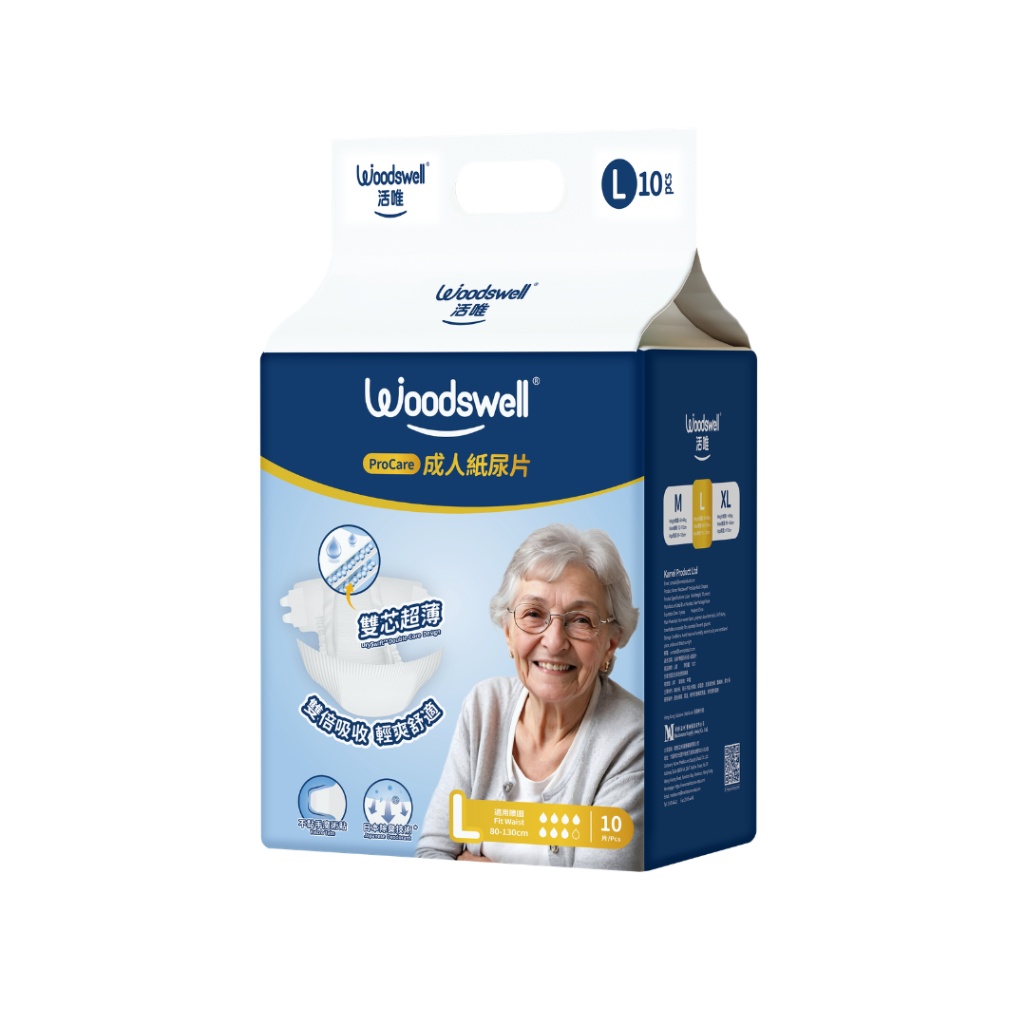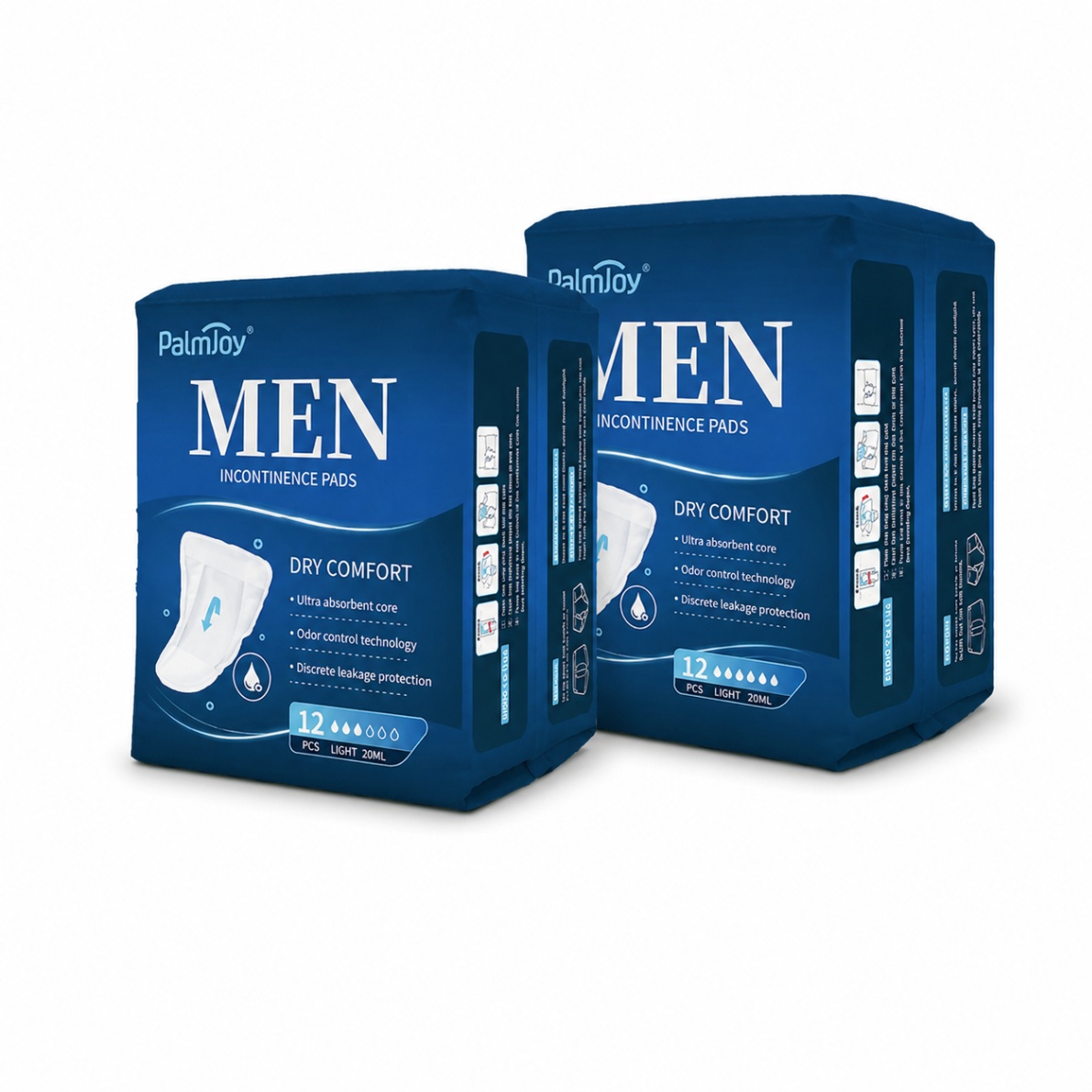
2026 Global Adult Incontinence Care Industry Insights: From Functional Products to the Era of Dignity Care
As global aging accelerates and the demand for long-term care continues to rise, adult incontinence care products are gradually evolving from basic functional hygiene goods into comprehensive solutions that emphasize comfort, dignity, and overall quality of life. Recent industry research indicates that the global adult diaper and incontinence care market has already reached a scale of over 20 billion USD, and is expected to maintain steady mid-to-high single digit growth through 2030. This positions the category as one of the most stable and resilient segments within the disposable hygiene industry.
One of the primary drivers behind this growth is the continuous increase in the aging population worldwide. A growing proportion of elderly individuals are entering stages of life where daily care support becomes necessary. This includes people experiencing varying levels of urinary incontinence, patients with limited mobility or long-term bed rest conditions, individuals recovering from surgery, as well as users in both home care and professional care environments. As a result, adult incontinence products are no longer viewed solely as medical assistance tools, but are increasingly recognized as essential daily care products that support basic living comfort and dignity.
At the same time, the focus of product development is undergoing a clear transformation. In the past, the main competition in this industry centered around absorbency capacity and leak protection performance. While these factors remain important, the current direction has shifted strongly toward overall user experience. Modern product design increasingly emphasizes thinner and more body-friendly structures that can maintain high absorption efficiency while reducing bulkiness and improving discretion during wear. This evolution reflects a broader demand for products that feel closer to regular underwear rather than traditional medical supplies.
In addition to physical comfort, skin health has become a central consideration in product design. Manufacturers are paying more attention to maintaining surface dryness after use, improving breathability, and reducing skin irritation caused by prolonged contact with moisture. In this sense, adult incontinence products are gradually being repositioned from simple absorbent materials to integrated skin-care systems that help maintain long-term skin condition and comfort. Supporting this shift is the widespread adoption of multi-layer absorption structures, typically combining a fast liquid acquisition layer, a super absorbent core, and a leak-proof backsheet. These layered systems are designed to ensure rapid fluid intake while keeping the surface as dry as possible.
Another important transformation is taking place in usage scenarios. While care institutions such as hospitals and nursing homes continue to represent a stable source of demand, the home care segment is growing rapidly. In institutional settings, priorities tend to focus on high absorbency capacity, efficient changing processes, and cost control. In contrast, home care users place greater importance on comfort, softness, privacy, and a more discreet wearing experience that resembles regular underwear. This shift has also been reinforced by the rapid growth of e-commerce channels, which provide easier access to a wider product range while also addressing the privacy concerns often associated with purchasing incontinence products.
From a technological perspective, the industry continues to advance through material innovation and early-stage smart care development. High-performance super absorbent polymers have significantly improved fluid absorption efficiency while reducing the risk of rewetting and enhancing fluid distribution. At the same time, nonwoven materials used in product surfaces are becoming softer, more breathable, and less abrasive to the skin, further improving overall comfort. In parallel, early smart care concepts are beginning to emerge, including wetness indicator systems, care reminder functions, and digital monitoring tools designed primarily for institutional care environments. Although still in the early stages of adoption, these developments suggest a gradual move toward more connected and data-supported care solutions.
Overall, the competitive landscape of the adult incontinence care industry is also undergoing a structural shift. The industry is moving away from price-driven competition toward value-based differentiation. Brands are increasingly focusing on user experience, dignity-oriented design, and long-term comfort. Premium products tend to emphasize high-end care experience and emotional value, while mid-range products focus on balancing performance and affordability. At the same time, distribution channels are expanding beyond traditional offline pharmacies into fully integrated e-commerce ecosystems.
Looking forward, the long-term growth of the industry will continue to be driven by three key factors: the ongoing global aging trend, the rising demand for home-based care, and continuous improvements in material science and product experience. In the future, competition in this space will not only be defined by how much liquid a product can absorb, but more importantly by how comfortable, discreet, and respectful the product feels to the end user.