What to Look for in a Medical Consumables Supplier

Choosing the right medical consumables supplier is more important than many buyers initially realize. Whether you are sourcing products for hospitals, clinics, pharmacies, nursing homes, or distribution businesses, product quality and supply stability directly affect end users, healthcare efficiency, and long-term business reliability. Beyond pricing, there are several practical factors worth evaluating before establishing a partnership.
One of the first things to consider is whether the supplier operates under recognized quality management standards. Certifications such as ISO 13485 often indicate that the manufacturer follows structured production and quality control procedures for medical products. Depending on the target market, compliance with regulations such as CE or FDA registration may also be necessary. While certifications alone do not guarantee product performance, they usually reflect a higher level of manufacturing consistency and traceability.
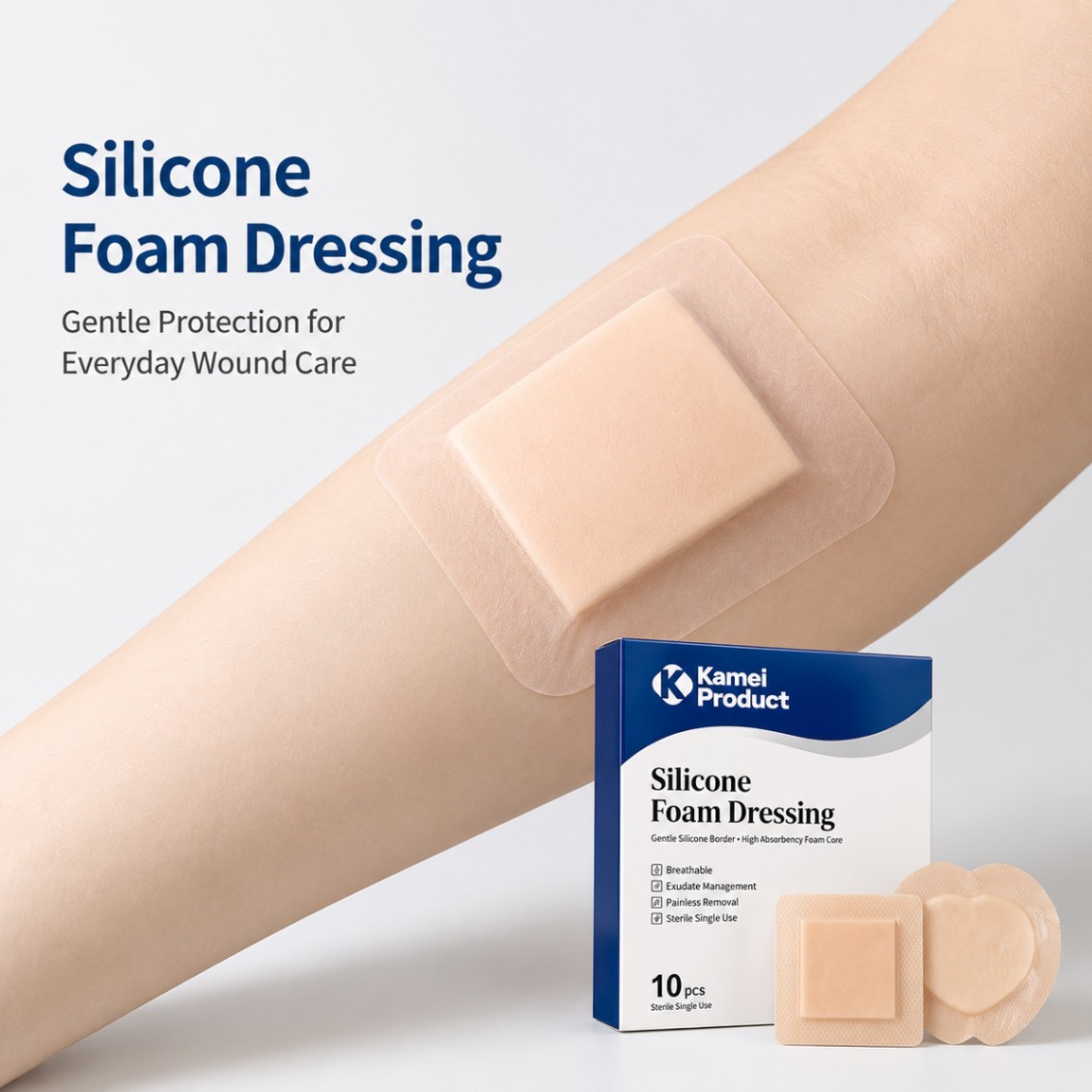
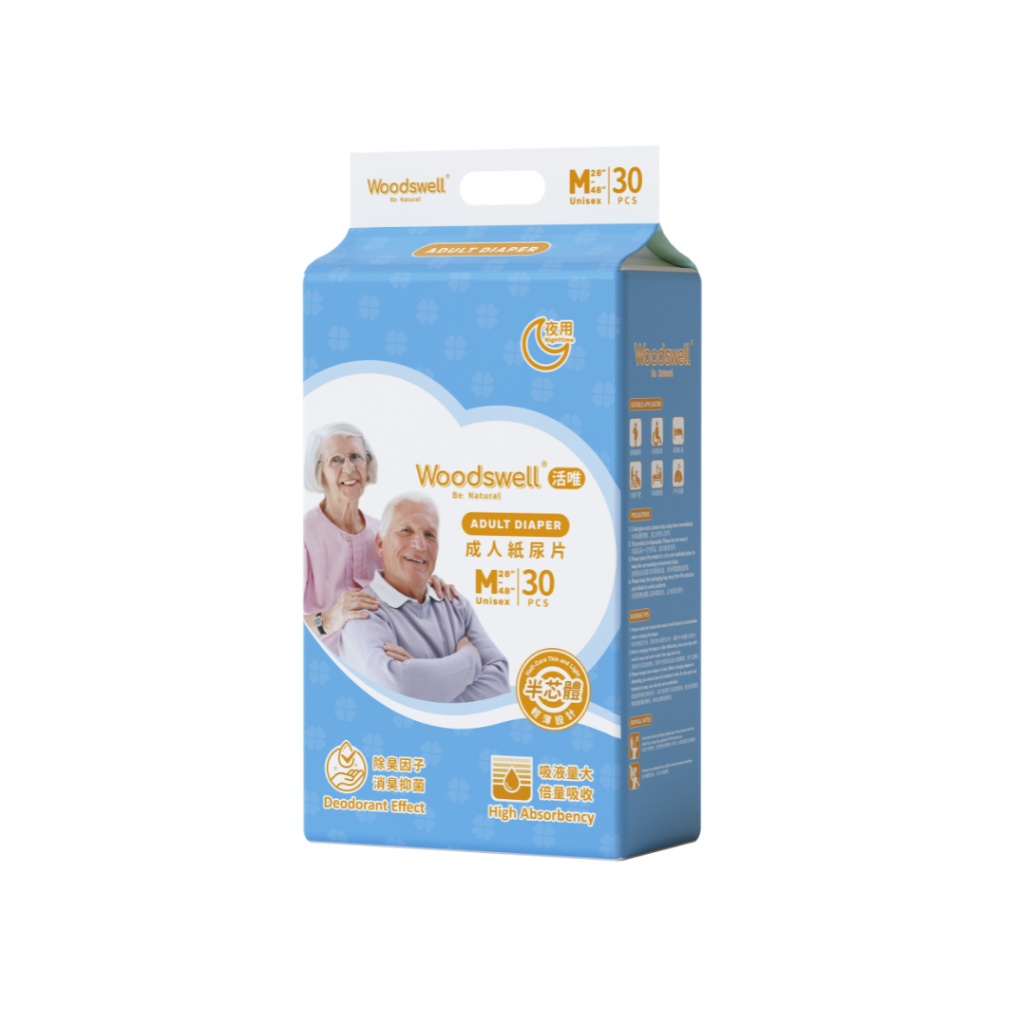
Product consistency is another key factor. In medical consumables, even small differences in absorbency, material softness, sizing, or packaging quality can affect user experience and customer satisfaction. A reliable supplier should be able to maintain stable quality across production batches and provide clear product specifications when needed. For products like adult diapers, wound dressings, nitrile gloves, or disposable underpads, consistency is often more important than offering the lowest possible price.
Production capability and supply stability should also be carefully reviewed. During periods of high demand, some suppliers may struggle with delayed lead times or limited production capacity. Buyers should evaluate whether the manufacturer has sufficient facilities, organized production management, and experience handling large-volume orders. Long-term cooperation depends heavily on dependable delivery schedules and communication efficiency.
Another important point is product customization capability. Different markets often require different packaging styles, absorbency levels, labeling languages, or regulatory markings. Suppliers with OEM and private label experience can usually support more flexible solutions for distributors and brand owners. This becomes especially valuable for companies building their own healthcare or personal care brands.
Communication is often overlooked, but it can significantly impact business efficiency. A professional supplier should respond clearly to technical questions, provide accurate documentation, and communicate transparently about production timelines or potential issues. In international business, responsive communication helps reduce misunderstandings and improves overall cooperation.
It is also useful to evaluate how well the supplier understands the end-use environment of the products. Medical consumables are not only industrial products — they are closely connected to patient comfort, infection control, caregiver efficiency, and healthcare safety. Suppliers familiar with real clinical or caregiving applications are often better at improving product details based on practical usage needs.
Finally, long-term reliability matters more than short-term pricing advantages. Extremely low prices can sometimes lead to inconsistent quality, unstable supply, or limited after-sales support. Many experienced buyers prioritize suppliers that offer stable quality, professional support, and sustainable cooperation rather than simply choosing the cheapest option available.As the healthcare and personal care industries continue evolving, the demand for dependable medical consumables suppliers will only increase. Companies that combine quality management, production stability, regulatory understanding, and practical product knowledge are more likely to become valuable long-term partners in the industry.